
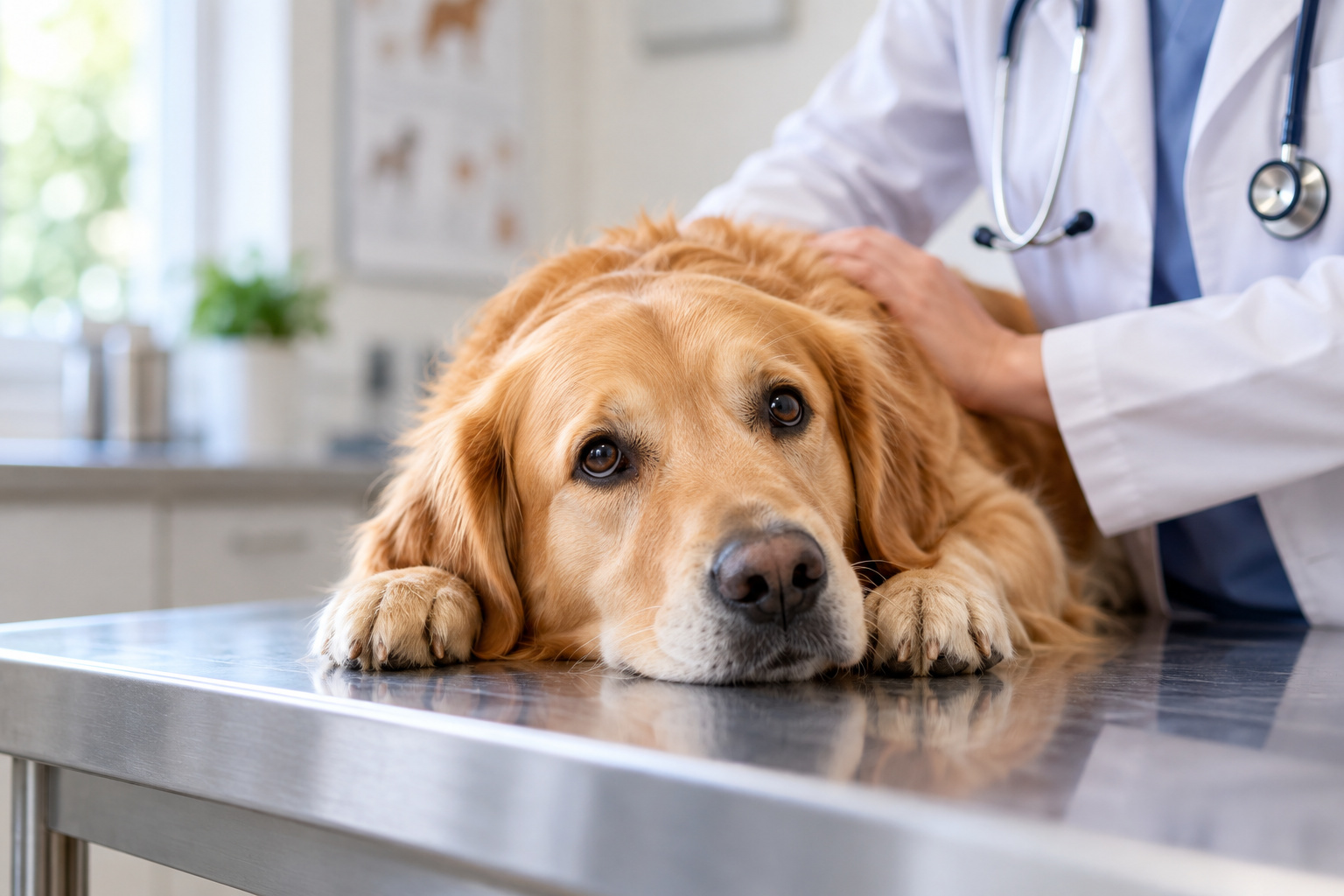
Your dog cannot tell you when something is wrong, so it’s important to recognize changes in their behavior, appetite, and physical condition. Some symptoms may be minor and temporary, while others can signal a serious health problem that requires prompt attention. Knowing which warning signs to watch for can help you decide when it’s time to call your veterinarian. Here are some important signs that your dog may need veterinary care.
1. Unusual Eating Habits
Going without food for 24 to 48 hours is unusual. If your dog has abstained from eating, you should take it to one of the best vets in St. Petersburg for urgent evaluation.
Sudden increases or decreases in food-seeking behavior may be linked to diabetes, intestinal parasites, or Cushing’s disease, among other issues. Additionally, if your dog is normally well-behaved but suddenly starts raiding the garbage or pantry, or begging for food more often than usual, it’s worth scheduling a veterinary checkup.
2. Nausea and Vomiting
Gastrointestinal (GI) issues are common in dogs, particularly since they have a habit of eating just about anything they can find. As a result, they may become restless, burp frequently, or drool, while others may vomit.
Occasional vomiting is not uncommon in dogs and is rarely a cause for concern on its own. However, severe or persistent vomiting can also warrant veterinary attention. Other warning signs include vomit that includes blood or dry heaving.
3. Breathing Problems
Difficulty breathing should always be treated as a medical emergency. If your dog is struggling to breathe, take them to a veterinarian immediately. However, there’s a difference between having difficulty breathing and heavy panting. When dogs are panting heavily, they usually don’t appear distressed or agitated. Their gums and their mouths remain reddish or pink, and their chest moves with each breath without heavy or pronounced movement of the stomach.
In contrast, dogs struggling to breathe may appear frightened, with widened eyes and bluish or pale gums. They may also seem restless or distressed and breathe with a noticeable heaving motion. You will probably see their belly working hard along with their chest as they try to breathe.
When in doubt, you should probably contact your local emergency veterinarian. If your dog’s breathing seems abnormal, have them checked as soon as possible.
4. Sudden Changes in Behavior
A noticeable change in your dog’s usual behavior can sometimes indicate that something is wrong. A normally active dog that suddenly becomes unusually tired, withdrawn, restless, or unwilling to interact may need a veterinary checkup.
Pay attention to changes in sleeping habits, activity levels, and reactions to people or other animals. Dogs experiencing pain may also become irritable, hide more often, or avoid being touched in certain areas. While temporary changes can happen for many reasons, persistent or sudden behavioral changes are worth discussing with your veterinarian, particularly when they occur alongside other symptoms.
Endnote
Due to their natural survival instincts, dogs often try to hide signs of illness, making it difficult to tell when they need medical attention. As a pet owner, pay close attention to even subtle changes in your dog’s behavior, appetite, or appearance. You know your dog better than anyone, so if something doesn’t seem right, you should contact your veterinarian.