
New places can overwhelm even the bravest pets. Strange scents, different sounds, and unfamiliar routines ask for patience and thoughtful planning.
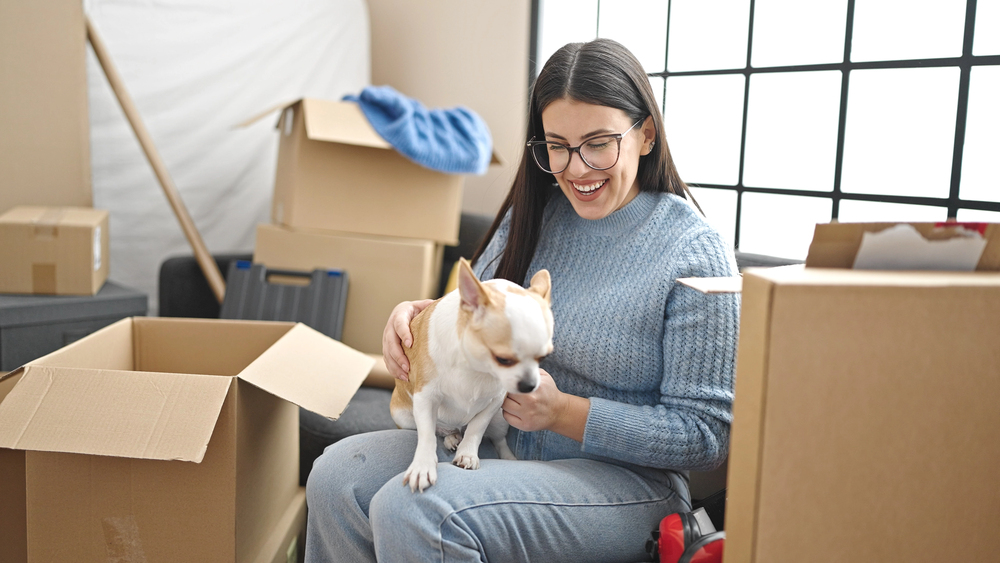
The goal is not to rush confidence but to build it steadily so curiosity replaces worry. With a few practical habits, you can help a dog or cat settle into a home, a friend’s place, or a travel setting with less stress and more trust.
Prepare The Environment Before Arrival
Set up a quiet base zone before the pet walks through the door. Choose a room with limited foot traffic, place a bed or mat in a corner, and keep fresh water and a familiar toy within reach. Close closets and secure cords so the first exploration feels safe rather than chaotic.
If you are welcoming a rescue or planning an adoption soon, reading about the benefits of adopting a pet can sharpen your understanding of what a transition requires. Add a worn T-shirt that carries your scent to the bedding so the environment begins to smell like family. Keep background noise low and speak softly, because calming tones become a cue that this space belongs to the pet.
Introduce Spaces And People Gradually
A slow tour beats a grand reveal. Let the pet explore one area while you observe posture and breathing, then open another door when curiosity steadies. Invite household members to sit on the floor and let the pet approach rather than reaching in quickly with hands, because consent reduces startle responses.
Offer brief greetings and step away to remove pressure if the pet looks conflicted or freezes. End early while the pet still feels brave so the memory of the tour is positive and the next round begins from a place of confidence. Repeat short tours across the first few days so the map of the home grows at a pace the pet can handle.


Build A Predictable Routine From Day One
Routine lowers uncertainty and helps the nervous system relax. Feed at consistent times and keep walk or play windows steady so the pet learns what comes next without guessing. Use the same door for bathroom breaks, the same phrase for invitations, and the same mat for mealtime to anchor patterns in context. Short training sessions sprinkled throughout the day teach the pet how to earn attention and rewards, which gives control back to the learner. Bedtime rituals matter as well, because a calm close to the day makes sleep deeper and mornings simpler for everyone. As the routine settles, you will notice smoother transitions between activities and fewer anxious behaviors.
Read Body Language And Respond With Care
Safety grows when you acknowledge what the pet’s body is saying. Soft eyes, loose muscles, and a gentle tail motion signal comfort, while tucked tails, pinned ears, and lip licking under quiet conditions ask for space. If you see hesitation at thresholds, step back a pace and invite rather than pull, since autonomy builds courage. Pair new sights with high value treats or favorite toys so the brain links novelty with good outcomes. Keep sessions short and end on an easy win, then return later at the level where the pet last felt successful. With time, these choices create a shared language that lets you guide without force.
Create Positive Associations With Confinement And Travel
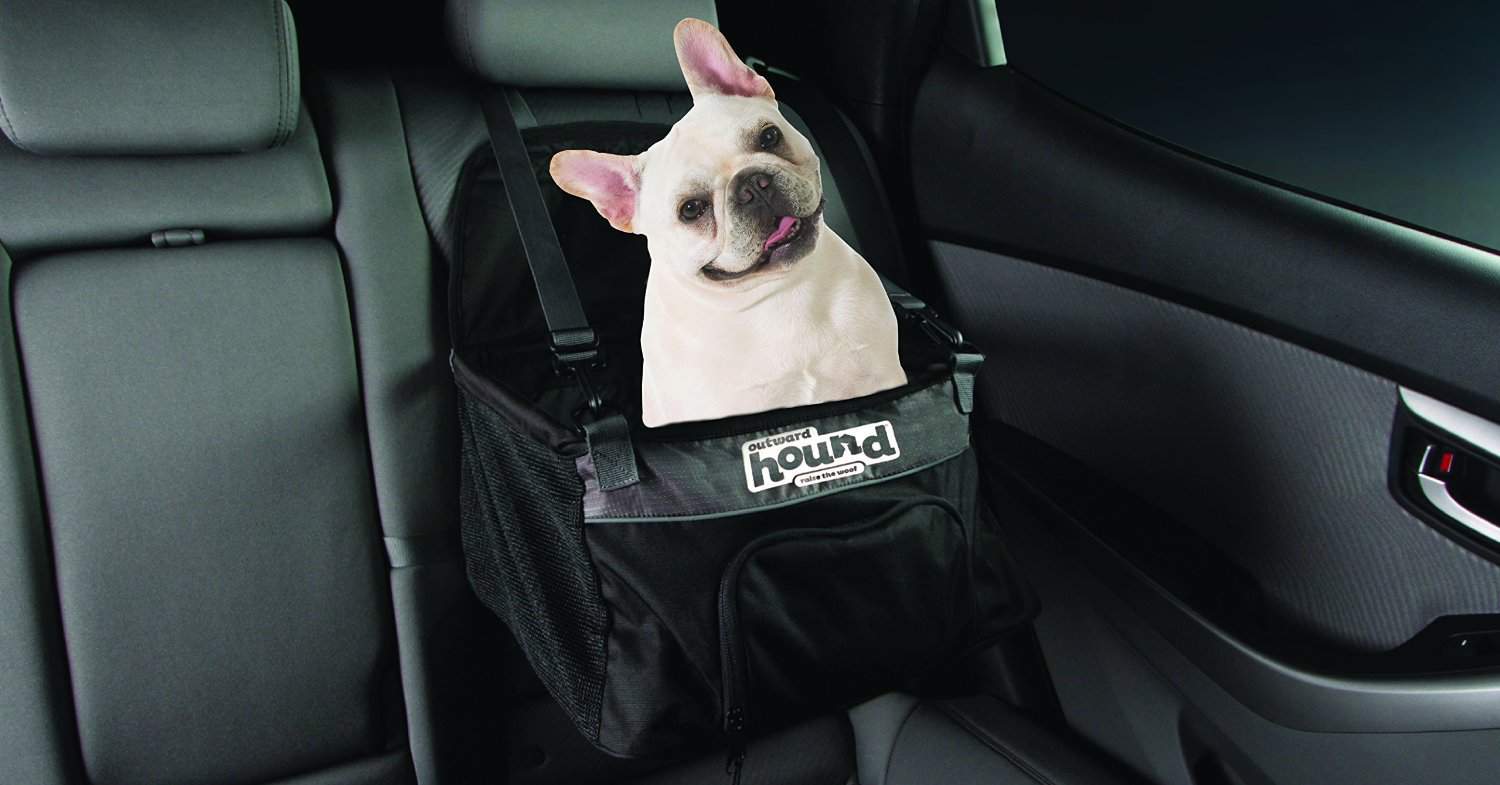
A crate or carrier should feel like a retreat, not a trap. Place it open in the base zone with a soft liner and feed meals nearby until the pet moves in willingly to chew or nap. Close the door briefly while you remain in view, then lengthen the time as comfort grows so departures feel uneventful. For car trips, start with the engine off, reward calm posture, and work up to short rides that end at home rather than at a clinic. Offer a favorite chew or a food puzzle inside the crate or carrier so the space predicts relaxation and good things to do. When travel becomes part of an easy routine, new places start with familiarity instead of fear.
Practice Calm Socialization Beyond The Home
The skill you build inside should travel with the pet. Begin with short visits to quiet places where the pet can watch life from a distance and return to you for reassurance. Keep the leash loose and your voice light so your body becomes a secure base in the new setting. When greeting people or friendly animals, ask for a simple behavior like a sit and reward the choice, which teaches polite introductions as a path to access. Leave before fatigue sets in and note what went well so the next outing starts a little closer to the action with confidence intact. Gradually increase complexity as the pet shows steady curiosity and quick recovery after small surprises.
Partner With A Veterinarian For Smooth Health Transitions
Medical comfort underpins behavioral comfort, so schedule a wellness check early in the settling period. Discuss vaccination timing, parasite prevention, and any signs of pain that might be hiding behind restlessness or withdrawal, since discomfort can make new settings feel unsafe.
Ask for guidance on calming aids and nutrition, especially if the pet’s history includes shelter stress or travel. Share details about routines, sleep patterns, and appetite changes so the clinician can separate normal adaptation from issues that warrant treatment. Keep records in one folder and bring it to each visit to ensure continuity as the pet moves between homes, sitters, or travel plans. When health questions are handled proactively, training and socialization progress more smoothly.
Use Enrichment To Channel Curiosity Productively
Enrichment turns nervous energy into healthy exploration. Rotate a few puzzle feeders, scent games, and soft tug or fetch sessions so the pet learns that new spaces come with enjoyable challenges. For cats, add vertical choices like shelves and window seats that create safe vantage points without crowding hallways or doorways.
For dogs, practice short nose work searches around simple hiding spots to build focus and problem solving where distractions would normally cause worry. Keep sessions brief and end while interest is still high so anticipation stays positive for the next round. As enrichment becomes routine, you will see calmer rests and more confident approaches to unfamiliar corners.


A smooth transition into new environments is less about courage and more about considerate design. When you prepare spaces, pace introductions, follow routines, and answer body language with empathy, a pet learns that unfamiliar does not mean unsafe. Positive associations with rest, travel, and short adventures turn the world into a place worth exploring. With patience and clear signals, you give your companion the tools to feel secure wherever life takes you both.