
“Small dog syndrome” is a phrase often used to describe behaviors like barking excessively, acting bossy, guarding people, or reacting strongly to other dogs. But here’s the truth many people miss:
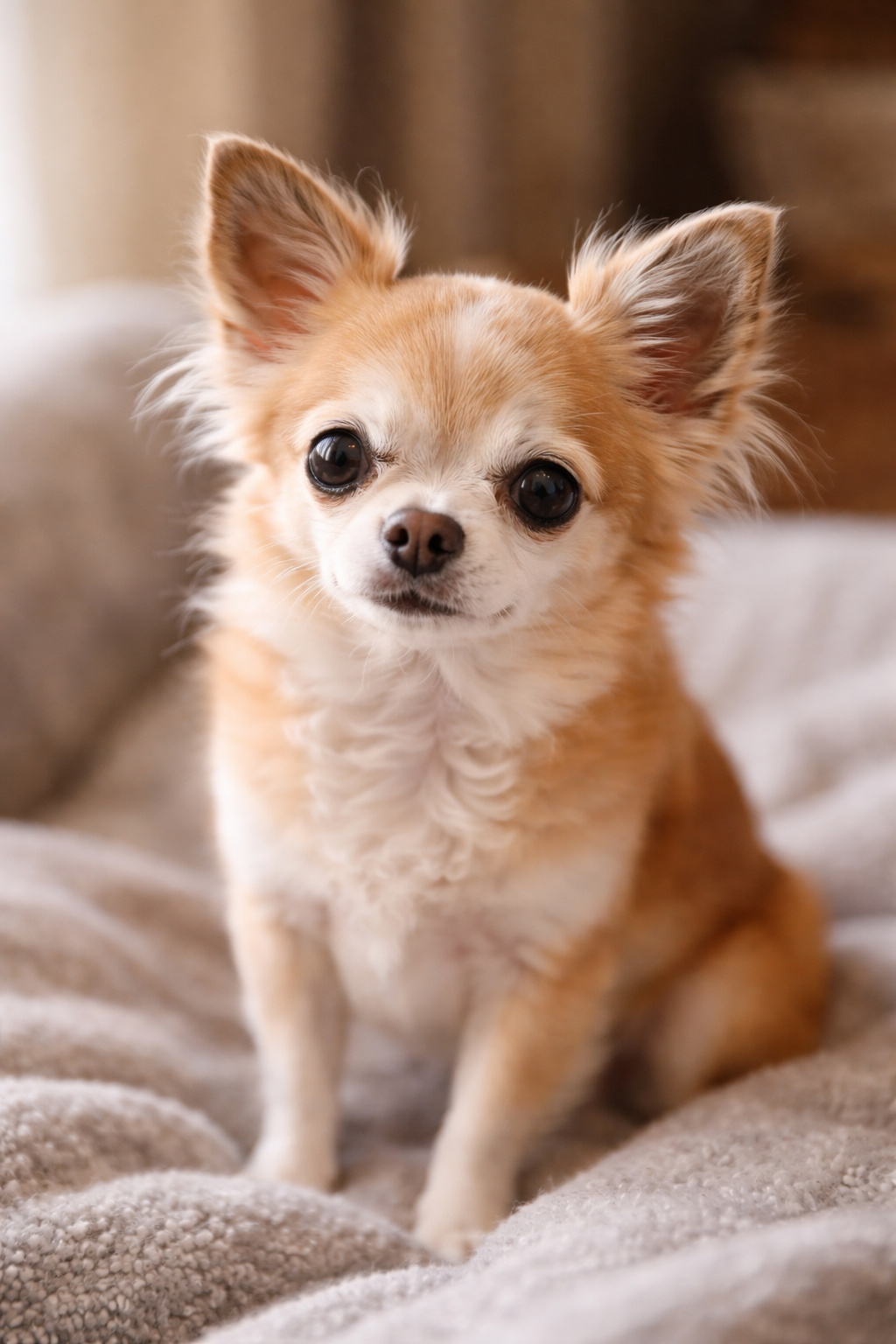
Most Chihuahuas aren’t trying to be dominant—they’re trying to feel safe.
And that’s why the goal isn’t to “break” their confidence. It’s to guide it in a healthy direction so your Chihuahua feels secure without feeling the need to control everything.
Here’s how to do that.
First: What Small Dog Syndrome Really Is
Small dog syndrome usually comes from a mix of:
- Inconsistent boundaries
- Overprotection or constant carrying
- Lack of training because they’re small
- Fear or insecurity
- Owners unintentionally rewarding nervous behavior
When a Chihuahua thinks, “I have to handle this myself,” they often step into that role loudly.
Step 1: Stay Calm and Matter-of-Fact
One of the biggest mistakes owners make is reacting emotionally:
- Yelling
- Repeating commands over and over
- Picking the dog up immediately
Strong reactions can actually reinforce the behavior.
Instead:
- Stay calm
- Speak in a neutral tone
- Redirect rather than scold
Confidence grows best in a calm environment.
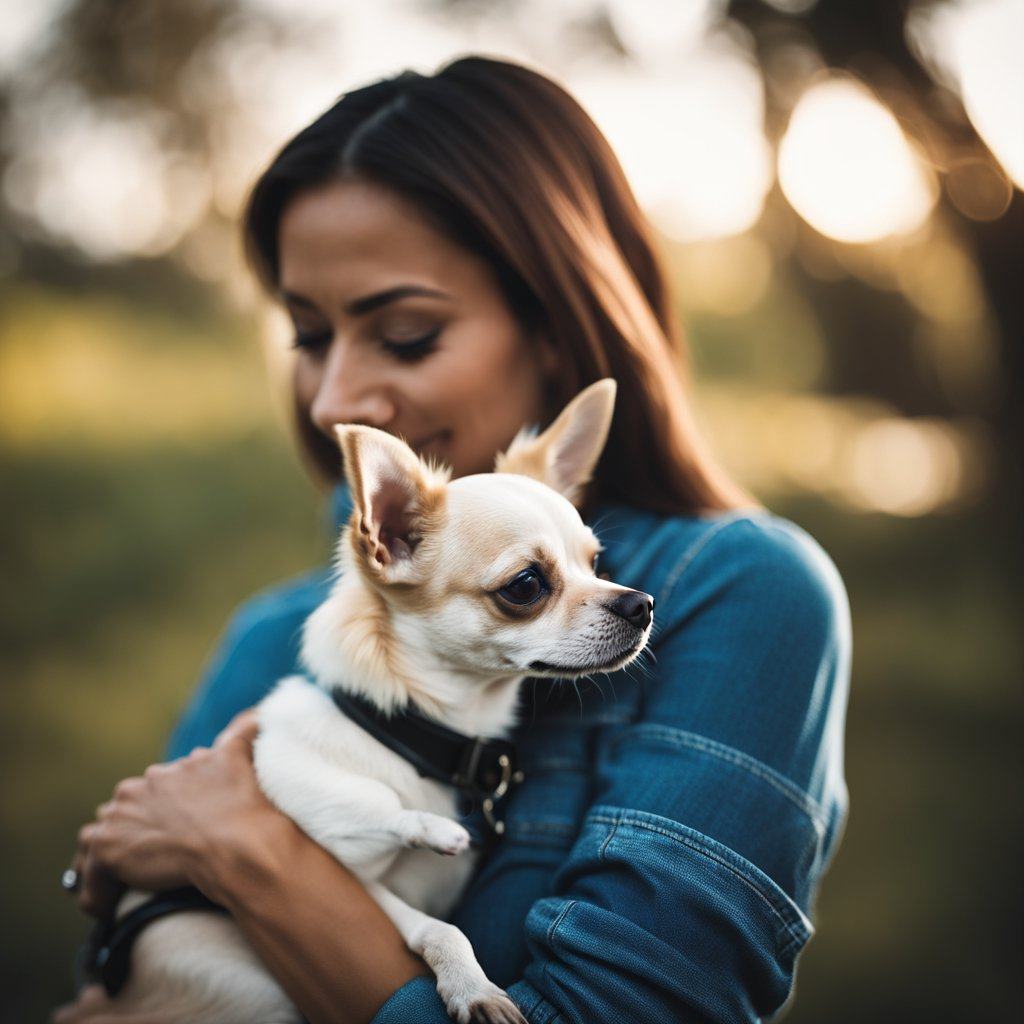
Step 2: Stop Picking Them Up to “Rescue” Them
It’s natural to scoop up a tiny dog when they bark or get nervous—but doing this teaches:
“I was right to panic. Something bad was happening.”
Instead:
- Step between your dog and the trigger
- Guide them away calmly
- Reward quiet, relaxed behavior
This builds trust without reinforcing fear.
Step 3: Teach Basic Commands (Yes, Even for Tiny Dogs)
Training isn’t just for big breeds.
Commands like:
- Sit
- Stay
- Come
- Leave it
…give your Chihuahua structure and predictability, which reduces anxiety.
Training also strengthens your bond and helps your dog look to you for guidance.
Step 4: Reward Calm Behavior, Not Loud Behavior
Many owners accidentally reward barking or demanding behavior by:
- Picking the dog up
- Talking to them in a soothing voice
- Giving attention immediately
Instead:
- Wait for calm
- Then reward with praise or treats
Your Chihuahua learns:
Calm gets attention. Chaos doesn’t.
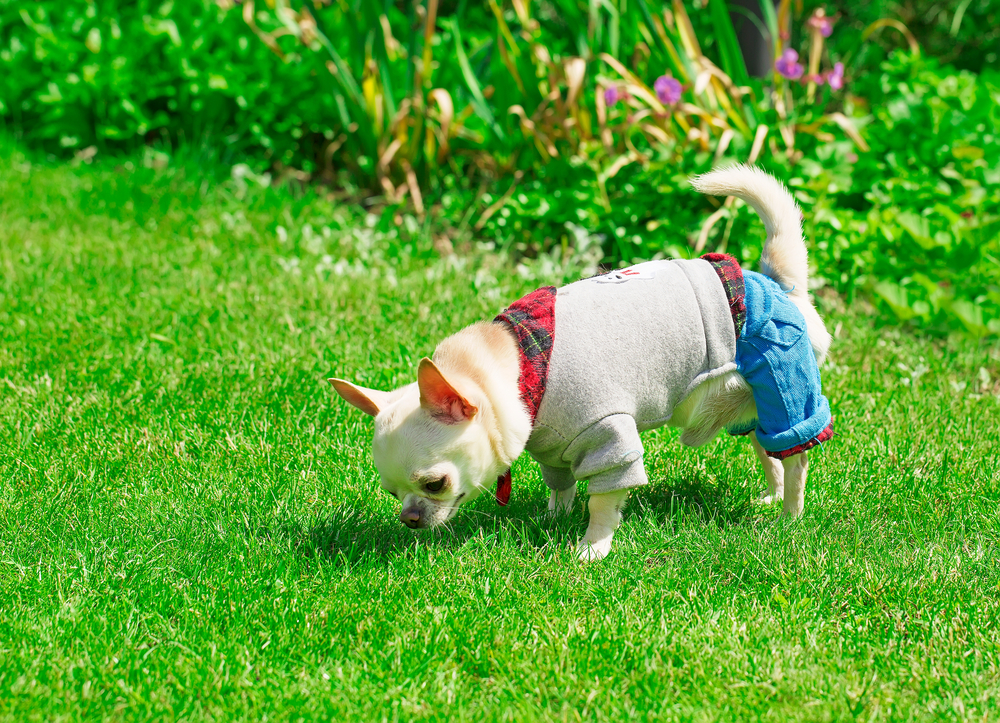
Step 5: Give Them Independence
Confidence doesn’t grow from being carried everywhere.
Let your Chihuahua:
- Walk on their own when safe
- Explore under supervision
- Solve small problems (like finding a toy)
This builds real confidence—not defensive confidence.
Step 6: Socialize Gently and Gradually
Some Chihuahuas act tough because they’re unsure.
Help them build positive experiences by:
- Introducing calm, friendly dogs
- Visiting new places at a slow pace
- Letting them observe before interacting
Never force socialization. Confidence grows from choice.
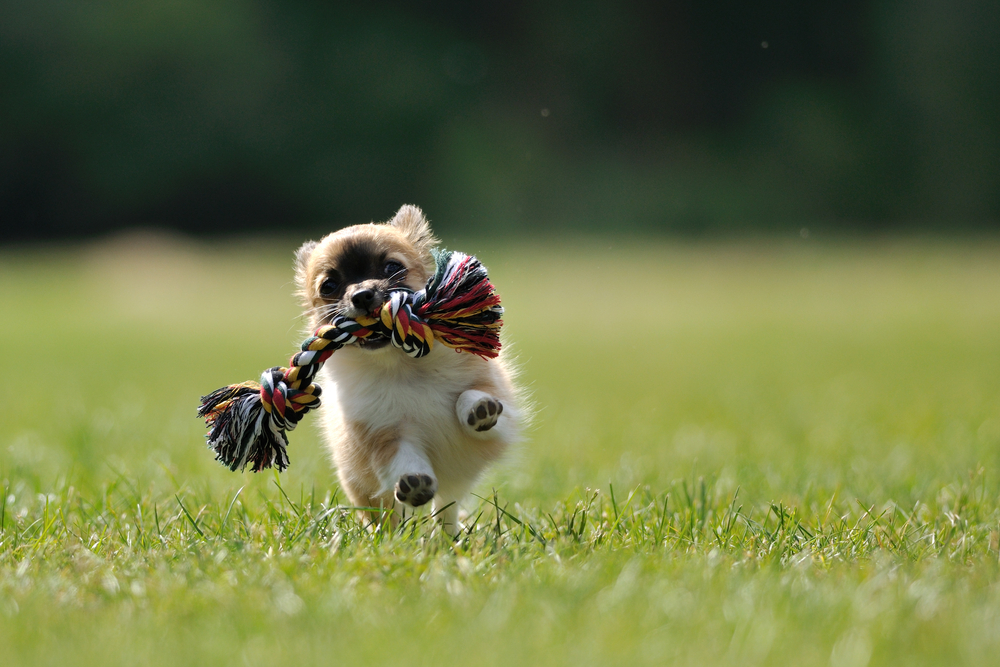
Step 7: Provide Daily Mental and Physical Exercise
A bored Chihuahua often becomes a reactive Chihuahua.
Good outlets include:
- Short walks
- Snuffle mats or puzzle toys
- Training games
- Hide-and-seek with treats
Mental stimulation reduces tension and restlessness.
Step 8: Respect Their Boundaries
Confidence isn’t about making your Chihuahua tolerate everything.
Pay attention to signs like:
- Turning their head away
- Lip licking
- Stiff posture
- Trying to leave
When you respect those signals, your dog learns:
“I don’t have to escalate to be heard.”
And that alone reduces a lot of “small dog syndrome” behaviors.
The Goal Isn’t a Silent Chihuahua
Chihuahuas are expressive, alert, and vocal by nature—and that’s part of what makes them wonderful.
The goal isn’t to make them quiet or submissive.
The goal is to help them feel:
- Secure
- Understood
- Guided
- Confident in a healthy way
A confident Chihuahua isn’t loud or bossy—they’re calm, curious, and comfortable in their world.
Final Thoughts
When you see a Chihuahua acting tough, look beneath the behavior. Most of the time, you’ll find a dog who just needs guidance, structure, and reassurance.
And when you provide those things, something beautiful happens:
The barking fades.
The tension softens.
And the real personality underneath shines through.

Cathy Bendzunas
Pet Blogger