

Do you know how important a good bed is for your extra-large dog? Their size puts extra strain on joints, muscles, and posture while they rest. A poorly chosen bed can lead to discomfort over time. Selecting the right bed can significantly improve the quality of their sleep.
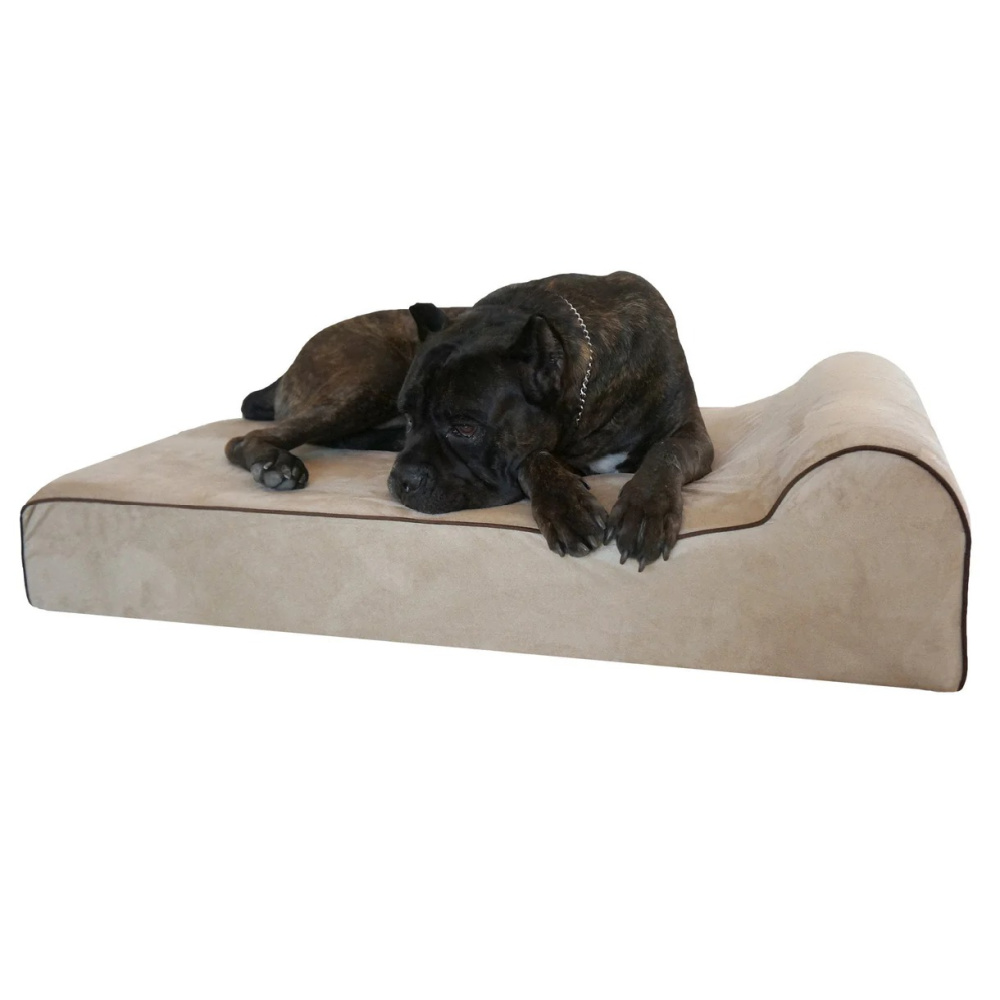
I want to add that large dog beds can work if you have several small dogs, too. Years ago, when I had 2 big dogs, I got a good-quality large dog bed for them. They have since passed, but I kept the bed in our family room because it was still in great shape. My 4 dogs love that bed. There’s always one or two in it, and many times all 4 sleep in it. It’s a good place for them to cuddle together, and they all love to cuddle.
1. Size Should Match Real Sleeping Habits
Large dogs do not always sleep in neat positions. Options like big dog dog beds are built to support stretched or curled postures. Some dogs sprawl across the bed, while others tuck in tightly. The product should match those natural habits.
A bed that feels too small can limit movement. This can lead to frequent repositioning during rest. Enough surface area allows the body to settle without restriction. That space supports deeper and more relaxed sleep.
2. Support Matters More Than Softness
Soft beds may seem inviting at first, but they do not always provide the best support for larger dogs. While softness might offer initial comfort, long-term rest depends more on how well a bed supports the body. A dense core helps evenly distribute the dog’s weight, which can prevent unnecessary pressure on their joints and muscles.
Without proper support, pressure points can develop over time, leading to discomfort. This can result in stiffness or soreness, especially after a long nap. A balanced structure, with firm but comfortable support, keeps the spine and joints aligned properly. This alignment is key to maintaining comfort and reducing the risk of aches, ensuring a better rest throughout the day.
3. Durability Affects Long-Term Use
Large breeds can wear down materials faster than smaller dogs. Searching for big dog dog beds often highlights options made with stronger fabrics and stitching. Durable covers help handle regular use without quick damage.
Weak materials may tear or lose shape over time. This can reduce the bed’s effectiveness. A sturdy build helps maintain structure for longer periods. That reliability makes a noticeable difference.
4. Easy Cleaning Helps Maintain Hygiene
Dog beds naturally collect fur, dust, and dirt over time, especially with regular use. Having a bed that’s easy to clean becomes essential not only for your dog’s comfort but also for maintaining a hygienic environment. Removable covers make this process much simpler, allowing you to wash away dirt and fur without hassle.
A product that’s difficult to clean can trap odors, moisture, and debris, which can lead to unpleasant smells and an unhealthy environment. Regular cleaning helps keep the surface fresh, comfortable, and inviting for your dog. Moreover, simple maintenance routines can extend the bed’s lifespan, ensuring it remains in good condition for longer. By keeping the materials clean, you create a healthier resting space that benefits both your dog and your home.
5. Thickness Impacts Comfort Levels
Thickness plays a key role in how a bed feels during use. Thin padding may not provide enough cushion for larger frames. A thicker base adds a layer of protection between the body and the floor.
This extra depth helps reduce pressure on joints. It also improves overall comfort during longer rest periods. Dogs tend to return to spaces that feel comfortable. The right thickness supports that preference.
Choosing an extra-large dog bed involves size, support, durability, and ease of care, all of which shape how effective the bed will be. Each detail plays a role in daily comfort and long-term use. A well-chosen bed becomes part of a steady routine that supports rest and overall well-being.