

Food sensitivities can make mealtime frustrating for dogs and their owners alike. It often starts with seemingly unrelated symptoms, such as itchy skin, digestive upset, excessive licking, or recurring ear issues. Many pet owners spend months trying different foods before realizing that common protein sources may be contributing to the problem.
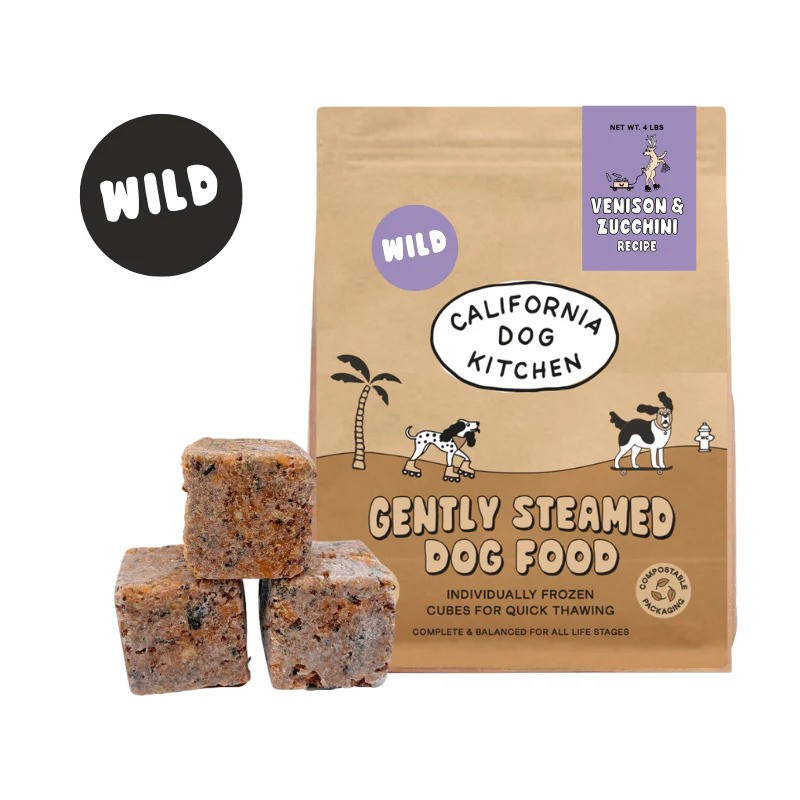
Novel protein diets have gained attention as a practical option for dogs with sensitivities because they introduce protein sources that a dog may not have eaten before.
This article explores what novel protein dog food is, why it matters, and what dog owners should look for when choosing a diet for sensitive pets.
What Makes a Protein “Novel”?
A novel protein is simply a protein source that a dog has had little or no exposure to in the past.
Many commercial dog foods rely on common proteins such as:
- Chicken
- Beef
- Turkey
- Pork
Over time, some dogs can develop sensitivities to ingredients they consume regularly. Introducing a less common protein may help owners identify foods that better suit their dog’s digestive system.
Examples of novel proteins include:
- Venison
- Lamb
- Certain fish species
- Other less commonly used animal proteins
The goal is not to find an exotic ingredient for the sake of variety. Instead, it is about reducing exposure to proteins that may be contributing to unwanted reactions.
Why Human-Grade Ingredients Are Important
The quality of ingredients plays a major role in any dog’s diet. Human-grade dog food uses ingredients that meet standards intended for human consumption before they are prepared into pet food. Many dog owners appreciate this approach because it focuses on ingredient quality and transparency.
Benefits of Human-Grade Nutrition
Human-grade recipes often prioritize:
- Recognizable ingredients
- High-quality protein sources
- Careful food preparation methods
- Better ingredient traceability
Fresh foods can also be easier for owners to evaluate because they resemble real food rather than heavily processed products.
Gentle Cooking Helps Preserve Food Quality
Preparation methods matter just as much as ingredient selection.
Gently cooked meals are prepared using lower-intensity cooking methods than those used for many highly processed foods. This approach allows ingredients to retain their natural characteristics while still producing a safe and convenient meal.
For dogs with food sensitivities, simpler ingredient lists and minimally processed foods can make it easier for owners to assess their pets’ responses to specific ingredients.
Signs Your Dog May Benefit From a Novel Protein Diet
Not every itch or stomach upset points to food sensitivities. Still, certain patterns may suggest that a dietary review is worthwhile.

Skin-Related Symptoms
Some dogs experience:
- Persistent scratching
- Excessive paw licking
- Skin irritation
- Recurring ear discomfort
These issues can have multiple causes, including environmental triggers, so veterinary guidance remains important.
Digestive Concerns
Food-related issues sometimes appear as:
- Loose stools
- Frequent digestive upset
- Excessive gas
- Inconsistent appetite
When symptoms persist despite dietary changes, owners often explore alternative protein sources.
Difficulty Finding a Suitable Food
Many dogs do well on traditional diets. Others seem to cycle through multiple products without achieving consistent results.
In these cases, introducing a carefully selected novel protein formula may be another option to discuss with a veterinarian.
Choosing a Novel Protein Diet With Premium Ingredients
Not all novel protein foods are created equally. Protein selection matters, but ingredient quality and preparation methods matter too.
Dog owners should consider several factors when evaluating products.
Protein Source Transparency
A quality product should clearly identify its primary protein source.
Look for foods that specify ingredients rather than using vague descriptions. Knowing exactly what your dog is eating makes dietary management much easier.
Ingredient Quality
The best diets focus on whole-food ingredients and quality protein. One example is the dog food made with premium ingredients from California Dog Kitchen, where human-grade proteins are gently cooked and formulated for dogs across all life stages. Their recipes include proteins such as wild-hunted venison, wild-caught fish, Certified Organic chicken, and Australian lamb, giving owners multiple options when searching for alternatives to more common ingredients.
Practical Feeding and Storage
Convenience matters for busy households.
Many fresh frozen foods now offer:
- Pre-portioned servings
- Easy storage
- Simple feeding guidelines
- Refrigerator-friendly thawing
California Dog Kitchen packages its food in frozen cubes, making portioning straightforward for households with dogs of different sizes.
Looking Beyond Protein Alone
Protein often receives the most attention, but a complete diet involves much more than one ingredient.
Balanced Nutrition
Any food selected for long-term feeding should provide complete and balanced nutrition appropriate for the dog’s life stage.
California Dog Kitchen states that its recipes are formulated to meet the nutritional levels established by AAFCO Dog Food Nutrient Profiles for all life stages, including the growth of large-sized dogs.
Ingredient Simplicity
Simple recipes can help owners track what their dogs are eating.
When a food contains fewer unnecessary additives and fillers, identifying potential dietary triggers becomes easier.
Consistency Is Important
Switching foods frequently can make it difficult to determine what works best.
Owners who are introducing a novel protein diet should:
- Transition gradually
- Monitor their dog’s response
- Track digestive and skin changes
- Consult their veterinarian when needed
Patience often produces better results than making multiple changes at once.
Sustainability and Transparency Are Becoming Priorities
Dog owners increasingly care about how pet food is produced.
Many consumers want to know:
- Where ingredients come from
- How food is prepared
- What packaging is used
- Which values guide the company behind the product
California Dog Kitchen prepares its food in its own commercial kitchen in San Diego and has been accepted into the Good Food Guild, an organization focused on high-quality, locally sourced food production standards. The company also uses compostable packaging made from kraft paper with a vegetable-based liner and contributes 1% of sales to environmental nonprofits.
For many pet owners, these practices align with broader goals around sustainability and responsible purchasing.
Finding the Right Fit for Your Dog
Novel protein human-grade dog food is not a cure-all, but it can be a valuable option for dogs that struggle with common protein sources or recurring food-related concerns.
A successful diet starts with quality ingredients, clear sourcing, balanced nutrition, and careful observation of how a dog responds over time. Fresh, gently cooked meals built around less common protein sources may help owners narrow down dietary triggers while providing complete nutrition.
Every dog is different, and the best results often come from a thoughtful approach rather than quick fixes. Taking time to evaluate ingredients, monitor your dog’s health, and choose foods that match their individual needs can make mealtime a much more positive experience for both pets and owners.